.avif)
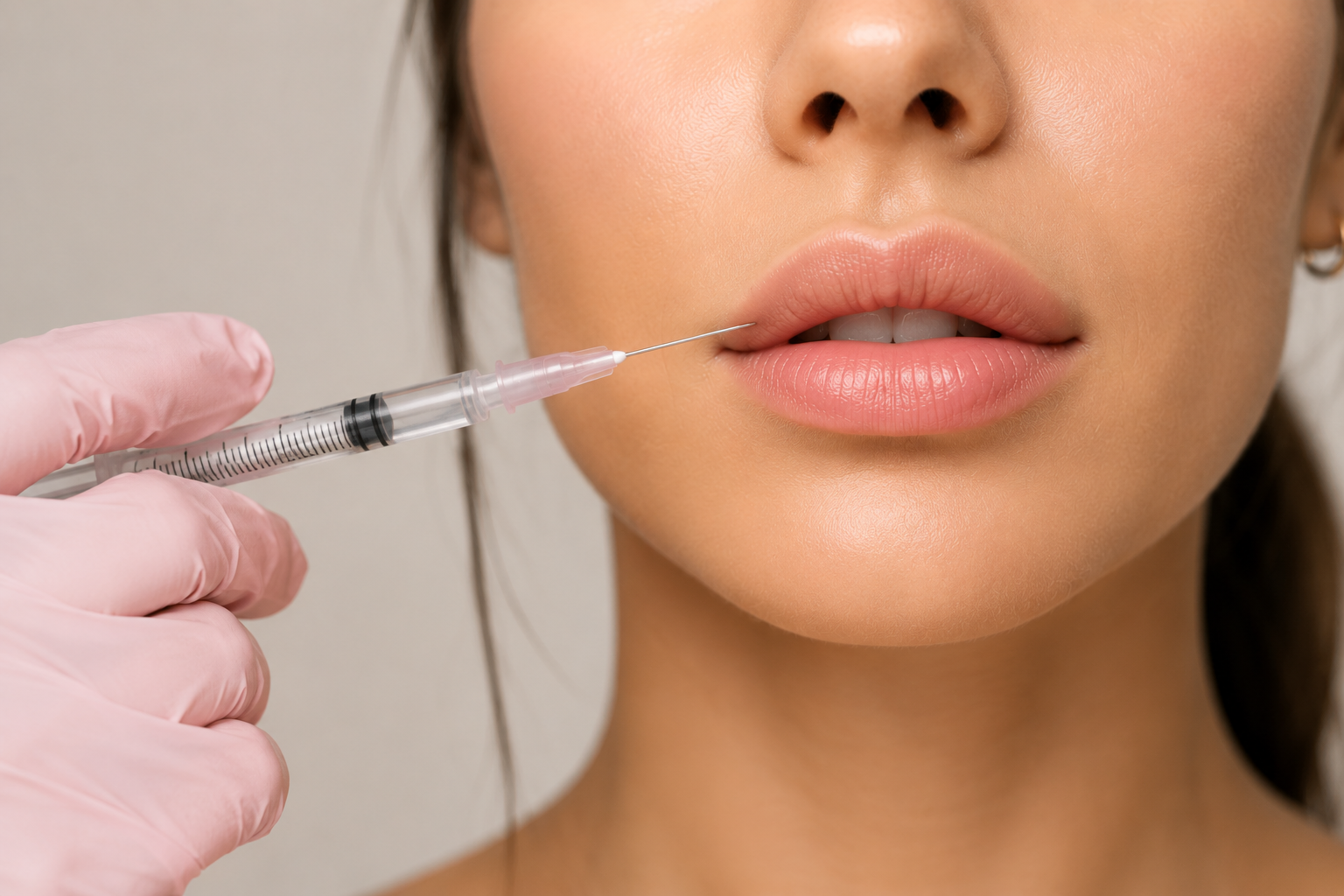
For years, aesthetic treatments focused on replacing what aging took away—adding volume with filler or relaxing wrinkles with Botox. While those treatments remain incredibly effective, today's patients are increasingly looking for something different: healthier skin.
Instead of asking, "How can I look younger?" patients are asking, "How can I improve my skin itself?"
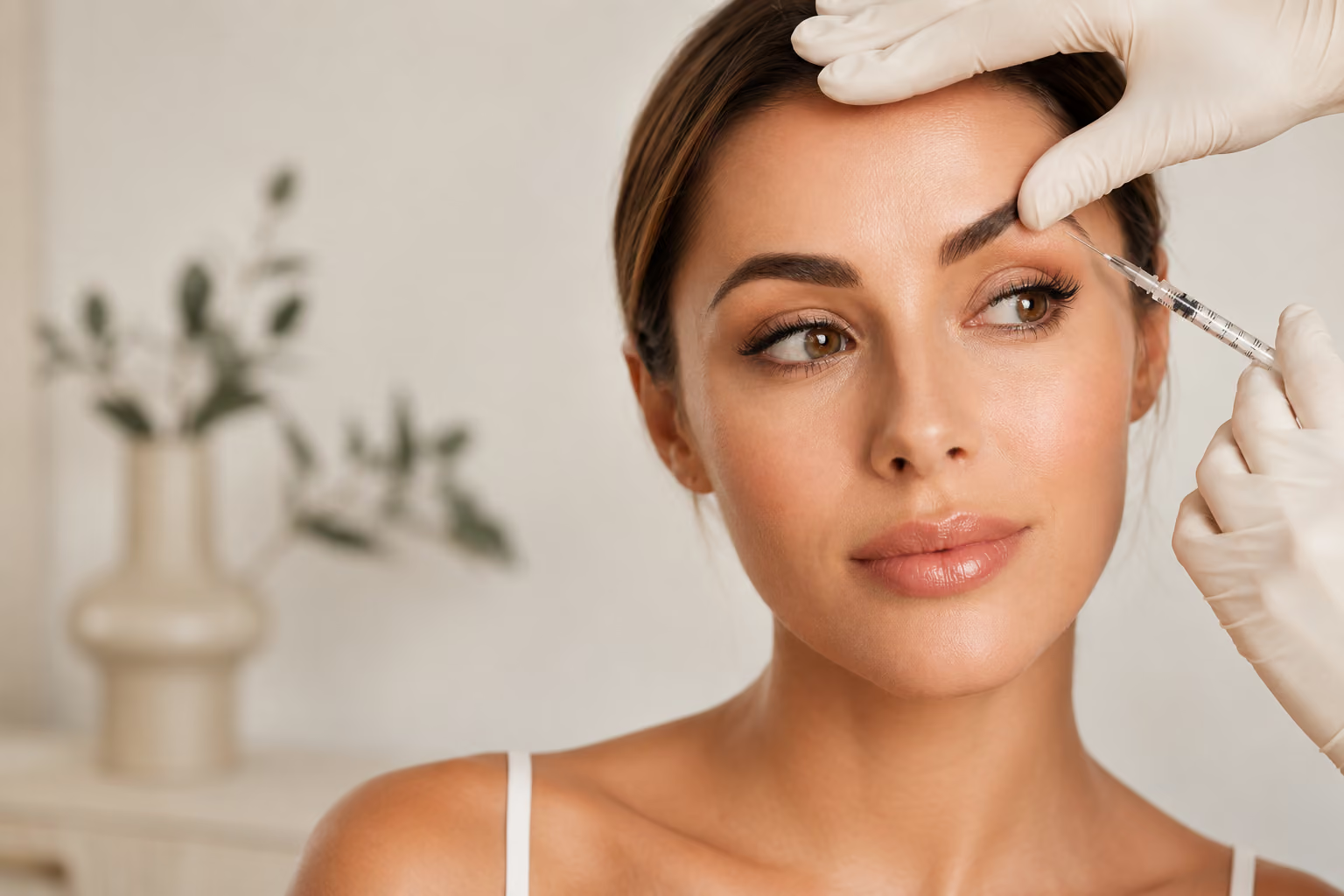
That's exactly why polynucleotides have become one of the fastest-growing regenerative treatments in aesthetic medicine. Rather than filling or freezing, polynucleotides encourage your skin to repair itself from within by stimulating collagen production, improving hydration, and supporting healthier tissue over time.
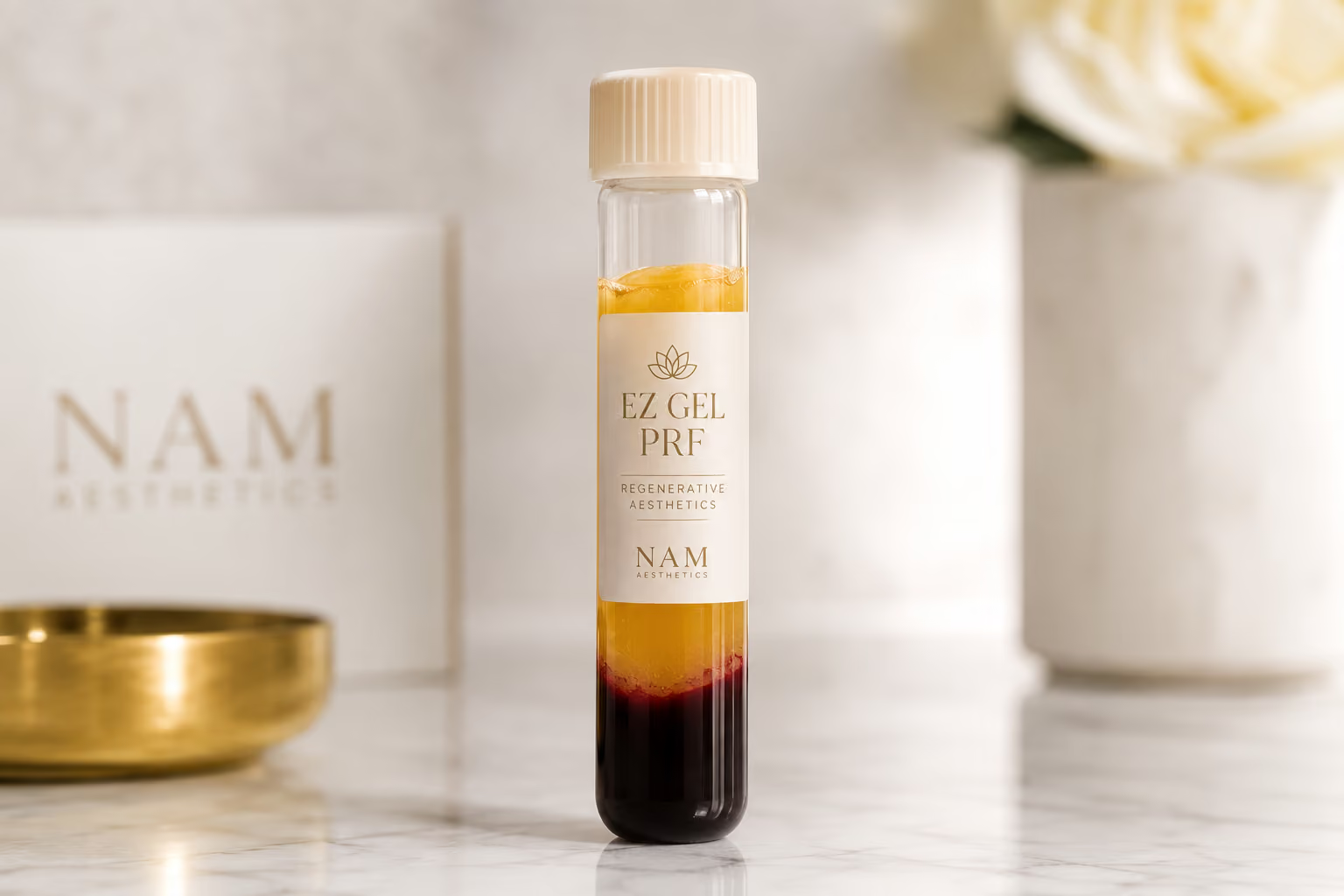
Polynucleotides are highly purified DNA fragments used to support the skin's natural healing and regeneration processes.
When injected into the skin, they help activate fibroblasts—the cells responsible for producing collagen, elastin, and healthy connective tissue.
Instead of creating instant volume, polynucleotides gradually improve:
The result is skin that simply looks healthier.
The under-eye area is one of the most delicate parts of the face.
Traditional fillers can be excellent for restoring lost volume in carefully selected patients, but they aren't always the best solution for concerns like:
Polynucleotides work differently.
Rather than adding volume, they improve the quality of the skin itself, making the under-eye area appear smoother, firmer, and more refreshed over time. Medical reviews and growing clinical experience suggest they can improve texture, wrinkle depth, and overall skin appearance through collagen stimulation.
Many patients assume filler is the answer for every under-eye concern.
In reality, treatment depends on what's causing the problem.
Filler works best for:
Polynucleotides work best for:
In some cases, the two treatments may even complement each other as part of a personalized treatment plan.
Although under-eye rejuvenation is one of the most requested uses, polynucleotides can also improve:
They're particularly popular among patients who want subtle, natural-looking rejuvenation rather than dramatic changes.
Polynucleotides are regenerative, meaning results develop gradually.
Most patients undergo a series of treatments spaced several weeks apart.
As collagen production increases, patients often notice:
Because your body is creating new collagen, improvements continue even after the treatment series is complete.
You may be a good candidate if you want to:
A consultation with an experienced aesthetic provider is the best way to determine whether polynucleotides, filler, or another regenerative treatment is the right choice for your goals.
One of the biggest trends in aesthetics today is moving away from simply masking signs of aging and toward improving the skin's long-term health.
Patients are increasingly choosing treatments that stimulate collagen, strengthen skin, and support natural rejuvenation rather than relying solely on volume replacement. Industry experts identify regenerative injectables and combination treatment plans as defining trends in modern aesthetic medicine.
At NAM Aesthetics, every treatment plan is customized to your skin, anatomy, and goals. Whether you're interested in improving under-eye concerns, restoring collagen, or creating a comprehensive anti-aging plan, our team focuses on natural-looking results that enhance—not change—your appearance.
Schedule your consultation today to learn whether regenerative treatments like polynucleotides are the next step in your skincare journey.



.avif)